
Residential painting service plays a key role in improving both the look and value of a home. A fresh coat of paint can transform dull spaces into vibrant areas while protecting surfaces from damage. Whether it is an interior refresh or an exterior upgrade, professional painting ensures long-lasting results. Homeowners often choose painting services to enhance curb appeal, update styles, or maintain property condition. With the right techniques and materials, painting becomes more than decoration—it becomes an investment in durability and comfort.
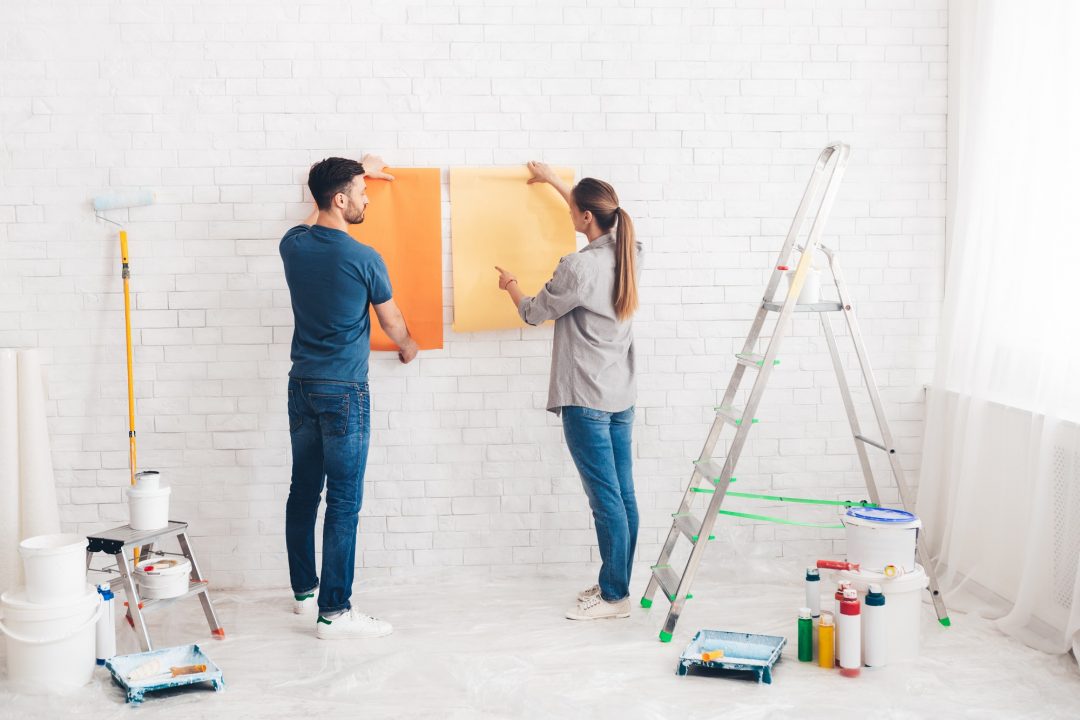
Residential painting instantly changes how a home looks and feels. Colors influence mood, lighting, and overall ambiance. Light shades create a spacious feel, while darker tones add depth and warmth. A well-painted home reflects personal style and creates a welcoming environment for guests and residents alike.
Paint acts as a protective layer against moisture, dust, and weather conditions. Exterior paint shields walls from rain, heat, and UV rays, while interior paint prevents stains and wear. Without proper painting, surfaces can deteriorate faster, leading to costly repairs.
A freshly painted home often attracts buyers and increases resale value. Clean, modern colors make a property look well-maintained. Even minor painting upgrades can deliver a strong return on investment when selling a home.
Interior painting focuses on walls, ceilings, doors, and trim. It improves indoor spaces by adding color and style. Common areas include living rooms, bedrooms, kitchens, and bathrooms. Proper preparation, such as cleaning and priming, ensures a smooth finish.
Exterior painting protects and beautifies the outside of a home. It includes walls, fences, garages, and siding. High-quality exterior paint resists harsh weather and maintains color for years. Preparation often involves pressure washing and repairing cracks.
Decorative painting includes textured walls, accent designs, and custom finishes. These services add uniqueness to a home. Techniques such as faux painting or feature walls can create a high-end look without major renovations.
Preparation is the foundation of any painting project. Surfaces must be cleaned, sanded, and repaired before applying paint. This step ensures better adhesion and a flawless finish. Skipping preparation often leads to peeling or uneven results.
Primer creates a base layer that improves paint durability. It helps cover stains and enhances color consistency. Priming is especially important for new surfaces or when changing from dark to light colors.
Professional painters use brushes, rollers, or spray techniques depending on the surface. Multiple coats may be required for full coverage. Proper application ensures even color and a smooth appearance.
After painting, surfaces are inspected for imperfections. Touch-ups are done to fix minor flaws. This step guarantees a polished and professional result.
Paint finishes affect both appearance and durability. Common options include:
Color choice depends on personal preference and space function. Neutral tones create a calm atmosphere, while bold colors add energy. It is important to test samples before making a final decision.
High-quality paint lasts longer and provides better coverage. It resists fading, cracking, and peeling. Investing in premium paint reduces maintenance costs over time.
Professional painters have experience with different surfaces and techniques. They ensure clean lines, smooth finishes, and consistent results. Their knowledge helps avoid common mistakes.
Painting a home can be time-consuming. Professionals complete projects faster without compromising quality. This allows homeowners to focus on other priorities.
Professionals use advanced tools and safety equipment. This ensures efficient work and reduces risks, especially for exterior or high-area painting.
Expert painting services provide durable finishes that last for years. Proper preparation and application prevent early damage and maintain appearance.
Neglecting preparation leads to poor adhesion and uneven finishes. Always clean and repair surfaces before painting.
Cheap paint may save money initially but often requires frequent repainting. It is better to invest in quality materials.
Using the wrong finish can affect durability and appearance. For example, matte paint in high-traffic areas may wear quickly.
Exterior painting should be done in suitable weather. Extreme heat or humidity can affect paint drying and performance.
Dust and dirt can dull painted surfaces over time. Cleaning walls and exteriors keeps them looking fresh.
Small cracks or peeling areas should be fixed immediately. Early repairs prevent larger issues.
Interior spaces may need repainting every few years, while exteriors may last longer depending on climate. Regular updates maintain a home’s appearance.
Larger homes require more paint and labor, increasing costs. The number of rooms or exterior area directly impacts pricing.
Damaged or uneven surfaces require extra preparation, which adds to the cost. Repairs and priming are important factors.
Premium paints cost more but provide better results. Specialty finishes or custom colors may also increase expenses.
Detailed work, such as trim or decorative painting, requires more time and skill. This can raise the overall cost.
Exterior painting is best done in mild weather. Spring and fall are ideal for achieving proper drying conditions. Interior painting can be done year-round.
Look for peeling paint, fading colors, or visible cracks. These signs indicate it is time for a new coat. Regular inspection helps maintain a home’s condition.









Professional painting services designed to refresh, protect, and transform your space with lasting color, clean finishes, and reliable care.