
Facade painting & coating service plays a critical role in maintaining the appearance and durability of any building. The exterior surface, often called the facade, faces constant exposure to weather, pollution, and environmental stress. Over time, these factors can cause fading, cracking, and structural damage. A professional facade painting and coating service not only improves visual appeal but also adds a protective layer that extends the life of the building. Whether for residential or commercial properties, this service ensures that exteriors remain strong, clean, and attractive for years.
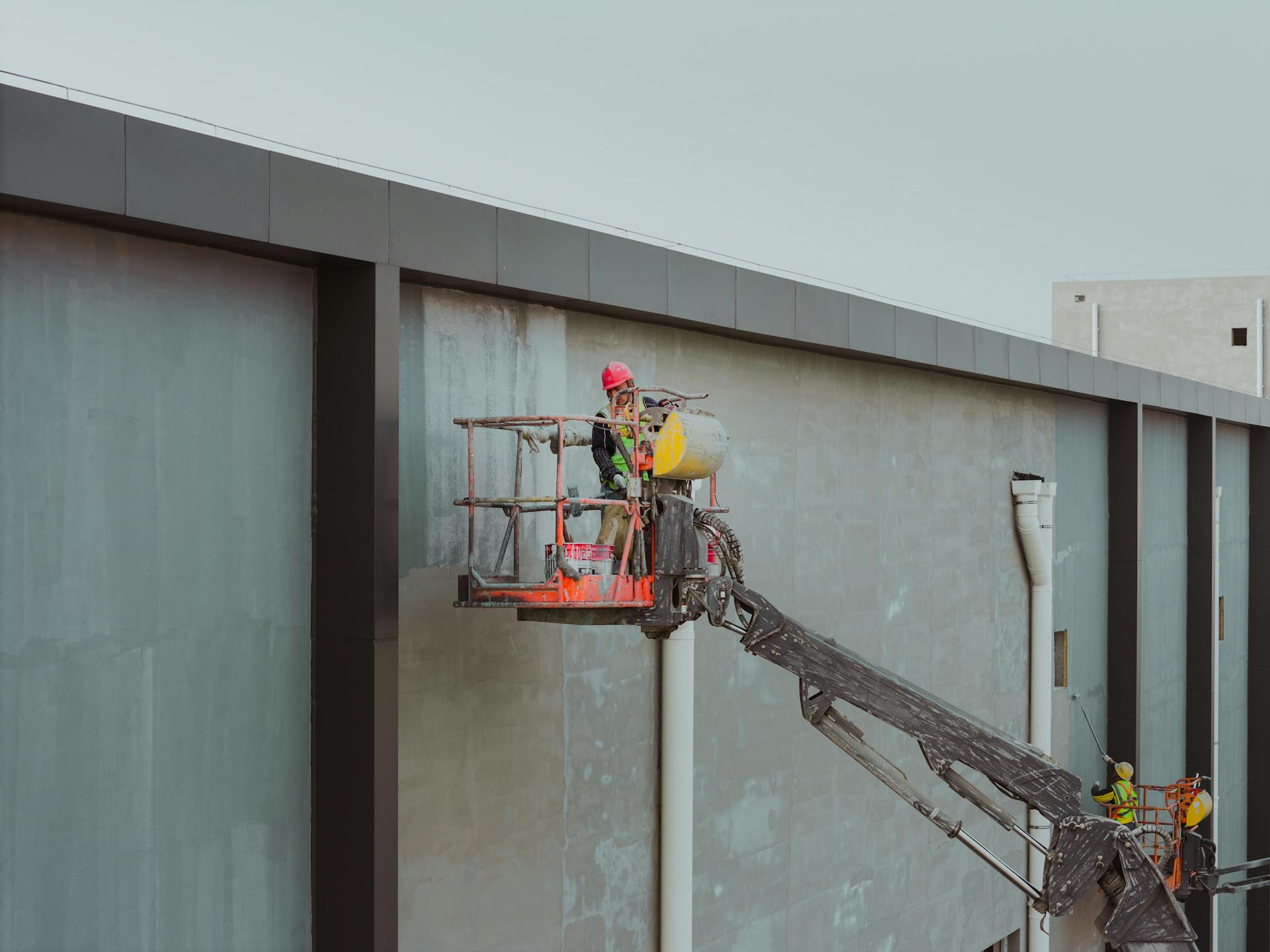
Exterior surfaces are constantly exposed to sunlight, rain, wind, and temperature changes. High-quality coatings act as a barrier against moisture and UV rays. This protection prevents cracks, peeling, and water damage, ensuring the building remains structurally sound.
A freshly painted facade instantly improves the overall look of a property. Clean and vibrant colors create a welcoming impression. For businesses, an attractive exterior can influence customer perception, while homeowners benefit from improved aesthetics.
Facade coatings help seal small cracks and prevent water infiltration. This reduces the risk of mold, mildew, and internal damage. Regular maintenance through painting can save significant repair costs in the long run.
Exterior wall painting is the most common service. It involves applying weather-resistant paint to protect and beautify building surfaces. This service is suitable for concrete, brick, and plaster walls.
Waterproof coatings are designed to prevent water penetration. These coatings are essential in areas with heavy rainfall or humidity. They protect walls from dampness and prolong the life of the structure.
Anti-carbonation coatings protect concrete structures from carbon dioxide exposure. This prevents corrosion of steel reinforcements within the building. These coatings are commonly used for modern buildings and infrastructure.
Elastomeric coatings provide flexibility and can expand or contract with temperature changes. They are ideal for surfaces with minor cracks. These coatings create a seamless and durable protective layer.
Decorative coatings add texture and style to facades. They enhance visual appeal while providing protection. These coatings are often used to create unique architectural finishes.
The process begins with a detailed inspection of the facade. Professionals assess cracks, stains, and structural issues. This step helps determine the right materials and techniques.
Preparation is essential for achieving a long-lasting finish. Walls are cleaned to remove dirt, dust, and old paint. Repairs are made to fix cracks and uneven areas. Proper preparation ensures better adhesion of coatings.
Primer is applied to create a stable base for the paint or coating. It improves bonding and enhances durability. Priming also helps achieve uniform color and coverage.
The selected paint or coating is applied using brushes, rollers, or spray equipment. Multiple layers may be required for complete protection. Skilled application ensures even coverage and a professional finish.
After application, the facade is inspected for any imperfections. Touch-ups are done to ensure a flawless appearance. This step guarantees high-quality results.
Professional services use high-quality materials that provide durable protection. Proper application techniques ensure the coating lasts for years without frequent maintenance.
Some coatings reflect sunlight and reduce heat absorption. This helps maintain indoor temperatures and reduces energy costs for cooling.
Facade coatings protect against dust, smoke, and pollutants. This keeps the building cleaner and reduces the need for frequent cleaning.
A well-maintained facade enhances the value of a property. It creates a positive impression on buyers and tenants. Investing in facade painting can lead to better returns.
The choice of coating depends on the local climate. Areas with heavy rainfall require waterproof coatings, while hot regions benefit from UV-resistant paints.
Different surfaces require different coatings. Concrete, brick, and metal surfaces each have specific requirements. Selecting the right product ensures better performance.
Color and texture play a major role in facade design. Choosing the right combination enhances the overall appearance of the building.
Some coatings require a higher initial investment but offer long-term savings. It is important to balance cost with durability and maintenance needs.
Ignoring preparation leads to poor adhesion and early failure of coatings. Proper cleaning and repair are essential for a successful project.
Cheap paints may not withstand harsh conditions. Investing in high-quality coatings ensures better results and longevity.
Applying coatings in extreme weather can affect drying and performance. It is important to choose the right time for painting.
Even the best coatings require maintenance. Regular inspection and minor repairs help extend their lifespan.
Regular inspections help identify cracks or peeling areas. Early detection allows for quick repairs.
Over time, coatings may wear out. Recoating ensures continued protection and keeps the building looking fresh.
Ensuring proper drainage and waterproofing prevents water damage. This helps maintain the integrity of the facade.
Larger buildings require more materials and labor. This increases the overall cost of the project.
Damaged surfaces require additional preparation and repairs. This can add to the cost.
Specialized coatings like elastomeric or anti-carbonation coatings are more expensive. However, they offer enhanced protection.
Professional services involve skilled labor and advanced equipment. This ensures quality results but may increase costs.
Fading color, cracks, and peeling paint indicate the need for repainting. Addressing these issues early prevents further damage.
Mild weather conditions are ideal for facade painting. Avoid extreme heat, cold, or rain during application.
Periodic repainting helps maintain the building’s appearance and protection. A maintenance plan ensures timely updates.









Professional painting services designed to refresh, protect, and transform your space with lasting color, clean finishes, and reliable care.