Asatru Lore | Emergency Training & Event Medical Services

Email:
info@asatrulore.org
Emergency Call:
+44 1942 521353
First Aid Courses
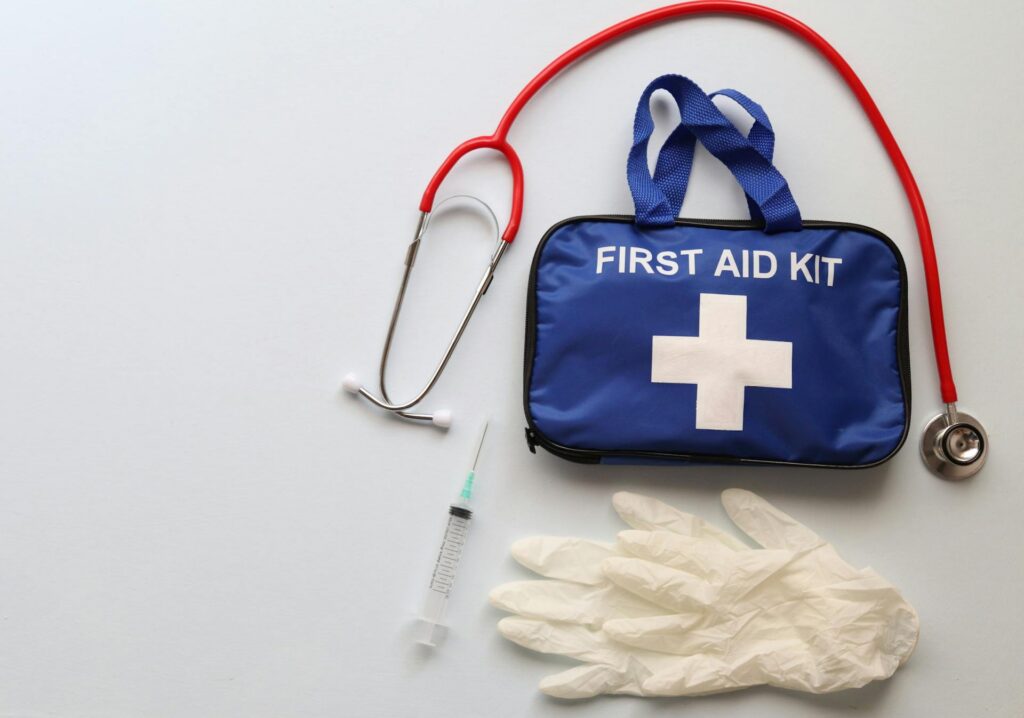
First Aid Courses
First aid courses provide essential knowledge and practical skills that help individuals respond quickly and effectively during medical emergencies. Whether at home, in the workplace, at school, or during public events, accidents and health crises can occur without warning. Proper training empowers people to stay calm, assess the situation, and take immediate action before professional medical help arrives. These courses are designed to build confidence, improve safety awareness, and potentially save lives.
First aid training is suitable for everyone, including employees, teachers, parents, students, healthcare workers, and event organizers. The programs are tailored to different experience levels, from beginners with no prior medical knowledge to professionals who need advanced emergency response skills.
Importance of First Aid Training
Accidents and sudden illnesses can happen anywhere. Immediate care during the first few minutes after an incident often makes a significant difference in outcomes. First aid courses teach participants how to recognize emergencies and respond correctly.
Training helps reduce panic and confusion. Instead of feeling helpless, trained individuals can provide structured and effective assistance. They learn how to prioritize actions, ensure safety, and offer reassurance to injured persons. This knowledge can prevent conditions from worsening and support recovery.
In workplaces, first aid training promotes a safer environment. Employees who understand emergency procedures contribute to faster responses and reduced injury severity. In schools and childcare settings, trained staff can manage injuries or health issues quickly and responsibly.
Who Should Take First Aid Courses
First aid courses are beneficial for a wide range of individuals and organizations:
Office workers and industrial employees
Teachers and school staff
Parents and caregivers
Security personnel
Sports coaches and fitness instructors
Event organizers and volunteers
Healthcare professionals seeking refresher training
Courses are often customized according to the environment. For example, industrial settings may focus on handling burns and heavy machinery injuries, while childcare courses emphasize choking response and pediatric emergencies.
Core Topics Covered in First Aid Courses
First aid courses cover a variety of medical scenarios. The content is practical and interactive, combining theoretical knowledge with hands-on training.
Basic Life Support (BLS)
Basic Life Support is a fundamental component of first aid training. Participants learn how to:
Recognize cardiac arrest
Perform cardiopulmonary resuscitation (CPR)
Use an automated external defibrillator (AED)
Maintain airway management
Hands-on practice is typically provided using mannequins to ensure participants understand correct techniques and timing.
Managing Bleeding and Wounds
Uncontrolled bleeding can be life-threatening. First aid courses teach:
How to apply direct pressure
Proper use of bandages and dressings
Techniques for managing severe bleeding
Recognizing signs of internal bleeding
Participants also learn how to clean minor wounds to reduce infection risk.
Handling Fractures and Sprains
Bone fractures and joint injuries require careful management. Training includes:
Identifying signs of fractures
Immobilizing injured limbs
Using splints
Reducing further injury while waiting for medical professionals
Proper immobilization can significantly reduce complications.
Choking and Airway Obstruction
Choking is a common emergency, especially among children and elderly individuals. Courses provide step-by-step guidance on:
Recognizing choking symptoms
Performing abdominal thrusts
Delivering back blows
Assisting infants and young children safely
Quick intervention can restore breathing and prevent serious harm.
Burns and Electrical Injuries
Burn injuries can range from mild to severe. Participants learn:
Different types of burns
Immediate cooling techniques
Safe handling of electrical injuries
When to seek urgent medical care
Understanding burn severity helps determine appropriate treatment.
Medical Emergencies
First aid courses also cover various medical conditions, such as:
Heart attacks
Strokes
Seizures
Allergic reactions
Diabetic emergencies
Participants are trained to identify warning signs and provide immediate assistance until professional help arrives.
Course Structure and Training Methods
First aid courses are designed to be interactive and practical. Most programs include both classroom instruction and hands-on training sessions.
Practical Simulations
Realistic scenarios help participants apply their knowledge in simulated emergencies. These exercises improve decision-making and build confidence under pressure.
Experienced Instructors
Courses are typically led by certified instructors with real-world experience in emergency response. They provide clear explanations, demonstrate techniques, and offer personalized guidance during practice sessions.
Flexible Learning Options
Many providers offer flexible training options to accommodate different schedules:
On-site workplace training
Weekend and evening classes
Group sessions for organizations
Refresher courses for certification renewal
Customized training ensures that participants receive relevant and practical instruction.
Certification and Compliance
Upon successful completion of a first aid course, participants usually receive a certificate. Certification demonstrates competency and may be required for certain professions or workplace regulations.
Employers often require certified first aiders to meet health and safety standards. Regular refresher training ensures that skills remain current and effective.
Benefits of First Aid Training for Organizations
Organizations that invest in first aid training create a safer and more prepared workforce. Benefits include:
Faster emergency response
Reduced injury severity
Increased employee confidence
Improved workplace safety culture
Compliance with safety regulations
Prepared employees can respond immediately to incidents, minimizing downtime and promoting a proactive safety environment.
Pediatric and Specialized Courses
Specialized first aid courses focus on specific environments or age groups.
Pediatric First Aid
This course is designed for parents, teachers, and childcare providers. It covers:
Infant CPR
Choking in babies and toddlers
Managing fevers and allergic reactions
Handling minor childhood injuries
Participants gain confidence in caring for children during emergencies.
Advanced Emergency Training
For healthcare professionals and emergency responders, advanced courses offer in-depth training on:
Trauma management
Advanced airway techniques
Emergency medication administration
Team-based emergency response
These programs provide comprehensive skills for high-risk situations.
Confidence and Community Impact
First aid training not only benefits individuals but also strengthens communities. When more people are trained, communities become more resilient. Immediate response from bystanders can bridge the critical gap before emergency services arrive.
Confidence is one of the most significant outcomes of first aid training. Participants leave with practical knowledge and the assurance that they can make a difference in a crisis. This empowerment encourages responsible action and promotes a culture of care and preparedness.
Ongoing Skill Development
Medical guidelines and best practices evolve. Regular refresher courses ensure that participants stay updated with current procedures and recommendations. Repetition and practice maintain muscle memory and quick response capabilities.
Organizations are encouraged to schedule periodic training sessions to maintain readiness. Continuous learning strengthens both individual skills and overall emergency preparedness.